
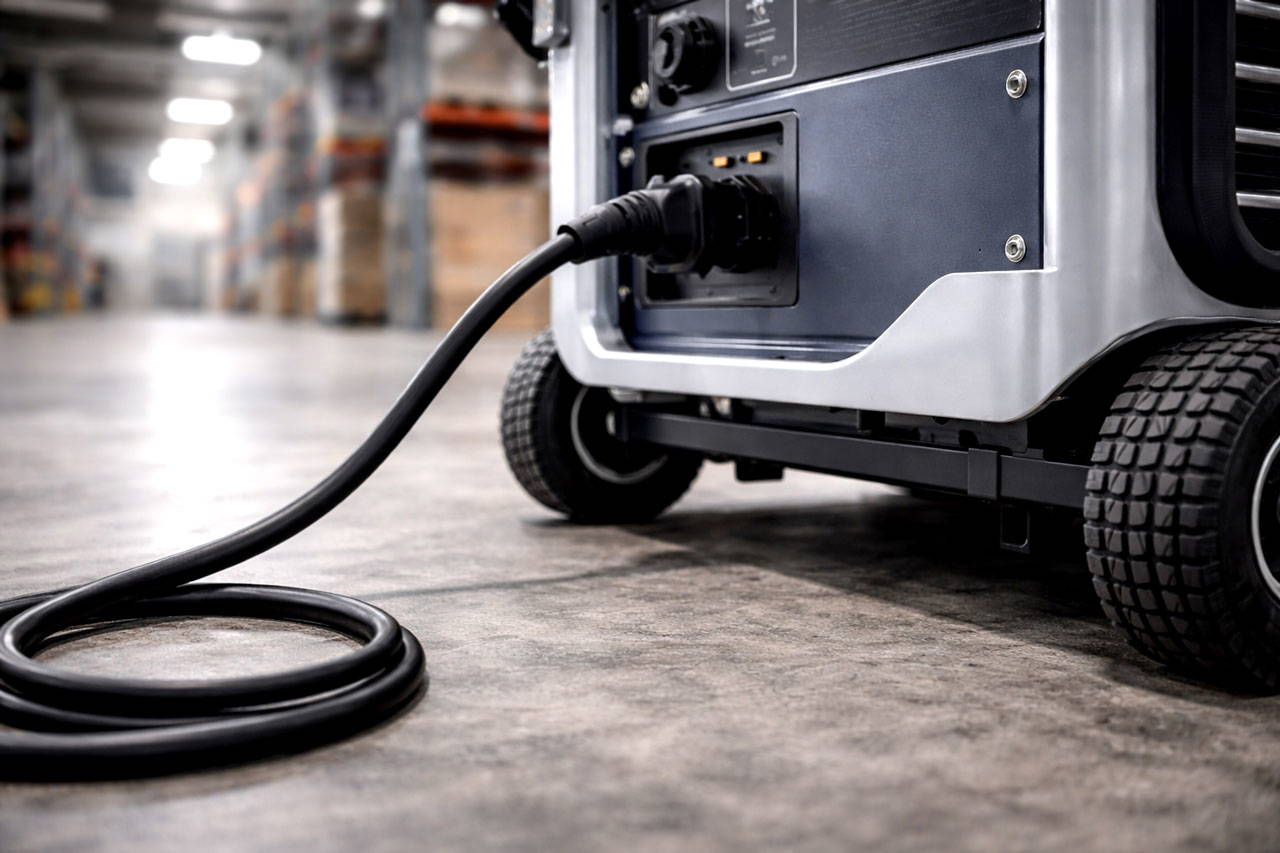
Choosing the Right UL-Approved Cables for UK Manufacturing and Export
UL-approved cables UK manufacturers specify must meet strict North American safety and performance standards, particularly for export machinery and industrial equipment. Choosing the correct cable is a critical step for UK businesses building equipment for the US or Canadian markets, or maintaining imported machinery.
This guide outlines the key considerations UK and EU businesses should keep in mind when specifying UL and CSA approved cables for industrial and export applications.
Why Correct Cable Selection Matters
UL and CSA approvals confirm that a cable meets recognised North American safety and performance standards. For machinery built in the UK but installed in the US or Canada, using the correct approved cable is often mandatory.
Incorrect selection can result in equipment being rejected during inspection, delays at installation, or the need to replace wiring after shipment.
Understand the Application Environment
The first step in selecting UL-approved cables is understanding how and where the cable will be used. Key factors include:
- Whether the cable will be fixed or portable
- Exposure to oils, chemicals, or moisture
- Mechanical movement, flexing, or abrasion
- Indoor or outdoor installation
For portable or moving equipment, flexible rubber cord cables are often specified. Fixed installations inside panels or enclosures may require different building or control wire types.
Check Approval Requirements Early
Different projects may require UL approval, CSA approval, or both. Many cables carry dual approval, making them suitable for use across both the US and Canadian markets.
It is important to confirm approval requirements early in the design or procurement process to avoid last-minute specification changes.
Common Cable Types Used by UK Manufacturers
UK manufacturers working to North American standards frequently specify cable families such as flexible rubber cords, building wire, and control cable, depending on the application.
These cables are commonly used in:
- Portable industrial equipment
- Manufacturing machinery built for export
- Maintenance and replacement of imported equipment
- Industrial power distribution and control systems
For more information on commonly stocked products, see our guide to
UL-approved cable sourcing for the UK and EU.
Availability and Lead Times
Historically, sourcing UL-approved cables often involved long lead times and overseas suppliers. Today, UK-based stockholding allows manufacturers to access approved cable quickly, reducing downtime and keeping projects on schedule.
Choosing a supplier with local stock can be particularly important for urgent maintenance work or time-sensitive production schedules. For applications involving flexible power and portable equipment, our
rubber cord cable range is commonly specified.
UL-approved cables UK suppliers stock locally help manufacturers reduce delays and keep production schedules on track.
Technical Support and Specification Checks
UL cable markings and specifications can be complex, especially when replacing existing cable with limited documentation. Working with a supplier who understands North American standards can help ensure the correct product is selected.
Specification checks before ordering help reduce risk and ensure compliance with project requirements.
Frequently Asked Questions About UL-Approved Cables
Do UK manufacturers need UL-approved cables?
UK manufacturers require UL-approved cables when building equipment for North American markets or maintaining machinery designed to US or Canadian standards. Using the correct approved cable helps ensure compliance and avoids issues during inspection or installation.
Can UL-approved cables be supplied quickly in the UK?
Yes. UL-approved cables UK suppliers hold in local stock can often be delivered quickly, helping manufacturers avoid long lead times and delays associated with overseas sourcing.
Speak to the Quadrant Cables Team
If you are selecting UL-approved cables in the UK for manufacturing, export, or maintenance applications, the Quadrant Cables team can help. To discuss your requirements, please contact us and share your specification, application details, and delivery timescale.